



We are one of only 11 HMC schools in Northern Ireland. The HMC kite mark recognises achievement and quality in education in the UK and internationally.

In this section

Home Economics

At Coleraine Grammar School, Home Economics plays a vital role in promoting health, wellbeing, and lifelong independence. The subject develops a clear understanding of nutrition, healthy eating and the impact food choices have on overall health and wellbeing. All pupils study Home Economics at Key Stage 3, with many continuing to GCSE and A-level under the CCEA specification.

Why Is Home Economics so important?

Home Economics allows pupils to explore diet and health in a practical and meaningful way through food preparation and meal planning, helping them to develop a positive relationship with food and the confidence to make informed choices. The subject encourages creativity while promoting an understanding of how food choices impact health and wellbeing.

As society and family life continue to evolve, Home Economics helps pupils understand their roles and responsibilities within the home and wider community. By exploring aspects of family life and independent living, pupils develop the skills needed to make responsible decisions about relationships, health and the effective use of resources.

Career Pathways:

This subject can open doors to a wide range of careers, including:

  • Dietetics & Nutrition
  • Food Sciences, Product Development & Food Quality Control
  • Hospitality, Catering & Hotel Management
  • Teaching & Education
  • Public Health & Health Promotion
  • Environmental Health & Food Safety
  • Food Marketing
  • Further study in Health, Science, or food-related disciplines
 

Home Economics Staff

  • Mrs A Cooper B.Sc.; M.Sc.; P.G.C.E. (Curriculum Leader)
  • Miss S. Kearns B.Sc. P.G.C.E
  • Mrs C. Martin B.Sc. P.G.C.E.
  • Mrs A Cusick BTEC National and BTECH HND in Hotel, Catering and Institutional Management.

At Key Stage 3, pupils will develop core life skills they need for healthy, independent living. They learn about healthy eating and basic nutrition, alongside the importance of food safety and good hygiene. Practical cooking is a key part of the course pupils build confidence and competence in the kitchen. Students also explore aspects of family life, relationships, budgeting and managing household resources. Together, teaching pupils how to make informed choices about diet, health, and everyday living.

Here’s what we get up to in some of our practical classes:

Pancakes:

Christmas Truffles:


At GCSE, students deepen their understanding of nutrition, exploring nutrients in detail and learning about energy balance and dietary needs across different life stages. They study food safety, food production, consumer issues and the many factors that influence what people eat. The theory is strongly linked to practical elements, as students carry out menu planning, adapt recipes to meet nutritional guidelines and develop their practical cooking and evaluation skills.

Unit Assessment GCSE Contribution
Unit 1: Food & Nutrition Written exam 50%
Unit 2: Practical Food & Nutrition Controlled assessment (research, planning, cooking, evaluation) 50%

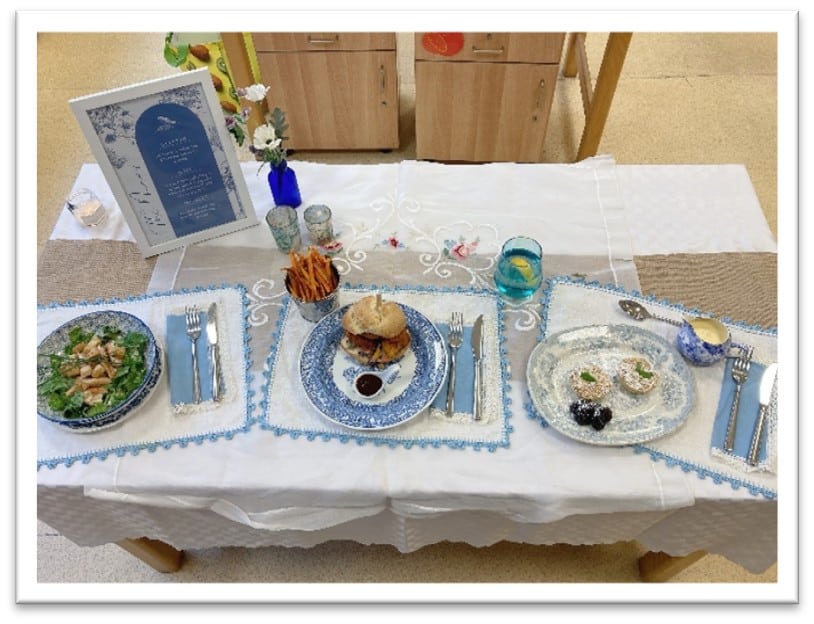
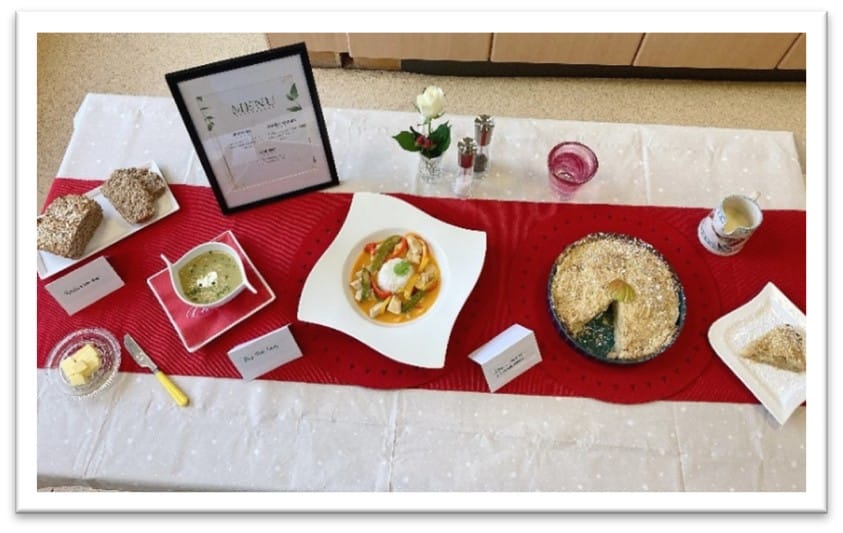
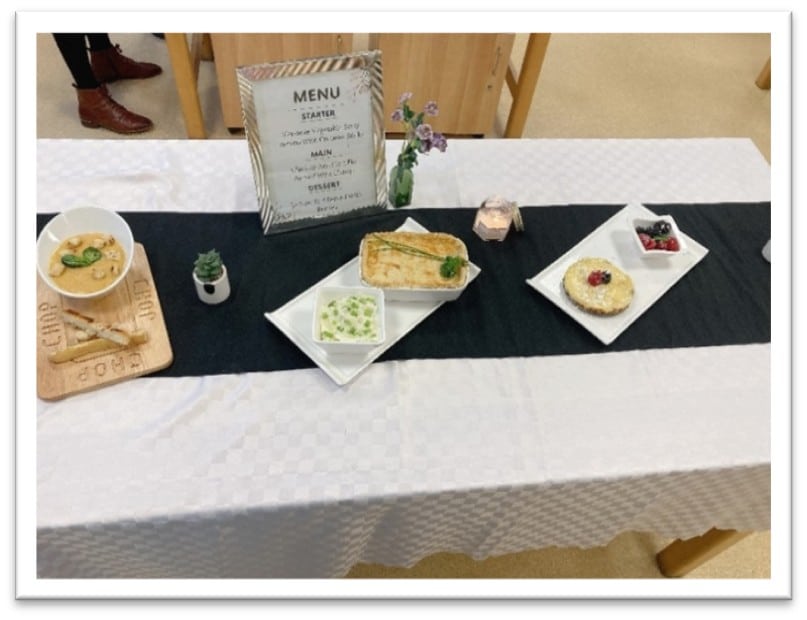
GCSE Practical Dishes:


At A-Level, students build a strong scientific understanding of food and nutrition. The AS course focuses on the principles of nutrition and how diet, lifestyle and health interact throughout life. At A2 students study food safety, food quality and the legislation that protects consumers. They also complete an individual research project that allows them to investigate a food or nutrition issue in depth. Throughout the course, students develop high-level skills in scientific analysis, critical thinking, problem solving and independent research.

For the AS qualification, students must complete two units, while the full Advanced GCE (A2) requires an additional two units. All units are mandatory. The A2 component includes a choice of optional topics and a research project, which is assessed internally. All under the CCEA examination board.

Unit Assessment A-Level Contribution
AS 1: Principles of Nutrition Written exam 20%
AS 2: Diet, Lifestyle & Health Written exam 20%
A2 1:

Option A: Food Security & Sustainability

Option B: Food Safety & Quality

Written exam 30%
A2 2: Research Project Controlled assessment 30%

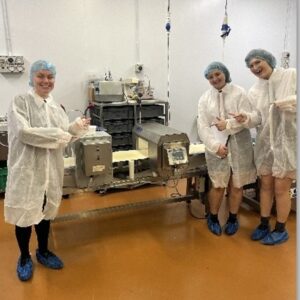
CAFRE site visit: