We are one of only 11 HMC schools in Northern Ireland. The HMC kite mark recognises achievement and quality in education in the UK and internationally.

In this section

Geography

The Geography Department at Coleraine Grammar School is committed to inspiring curiosity and understanding about the world we live in. Through the exploration of local and global geographical issues, we encourage pupils to think critically, develop valuable analytical and fieldwork skills, and appreciate the complex relationship between people and the environment. By fostering a strong sense of responsibility and environmental awareness, we empower our pupils to become informed, thoughtful citizens of the future—because our planet is truly in their hands.

The CGS Geography Department is staffed by experienced and knowledgeable teachers who are dedicated to helping every pupil achieve their full potential. Through clear, well-structured notes, effective study strategies and a strong focus on exam technique, staff expertly prepare pupils for the demands of both GCSE and A Level Geography. Their supportive and professional approach ensures pupils are confident, well-equipped and ready for success in their examinations.

Careers in Geography 

Geography is a highly valued subject that opens pathways into a wide range of careers, as it develops strong analytical, research, data-handling and decision-making skills. Pupils who study Geography at GCSE and A Level are well prepared for careers including:

  • Urban and Regional Planner
  • Environmental Scientist / Consultant
  • Climate Change Analyst
  • Sustainability Officer
  • Geographical Information Systems (GIS) Analyst
  • Conservation Officer / Ecologist
  • Hydrologist or Flood Risk Analyst
  • Meteorologist
  • Disaster and Emergency Planning Officer

Geography also provides excellent preparation for broader career routes such as:

  • Civil Servant or Policy Advisor
  • International Development Worker
  • NGO or Charity Project Officer
  • Logistics and Supply Chain Manager
  • Transport Planner
  • Estate or Property Surveyor
  • Tourism and Travel Manager
  • Teacher or Lecturer
  • Journalist or Data Journalist

These careers reflect the versatility of Geography and its relevance to tackling real-world challenges at local, national and global scales.
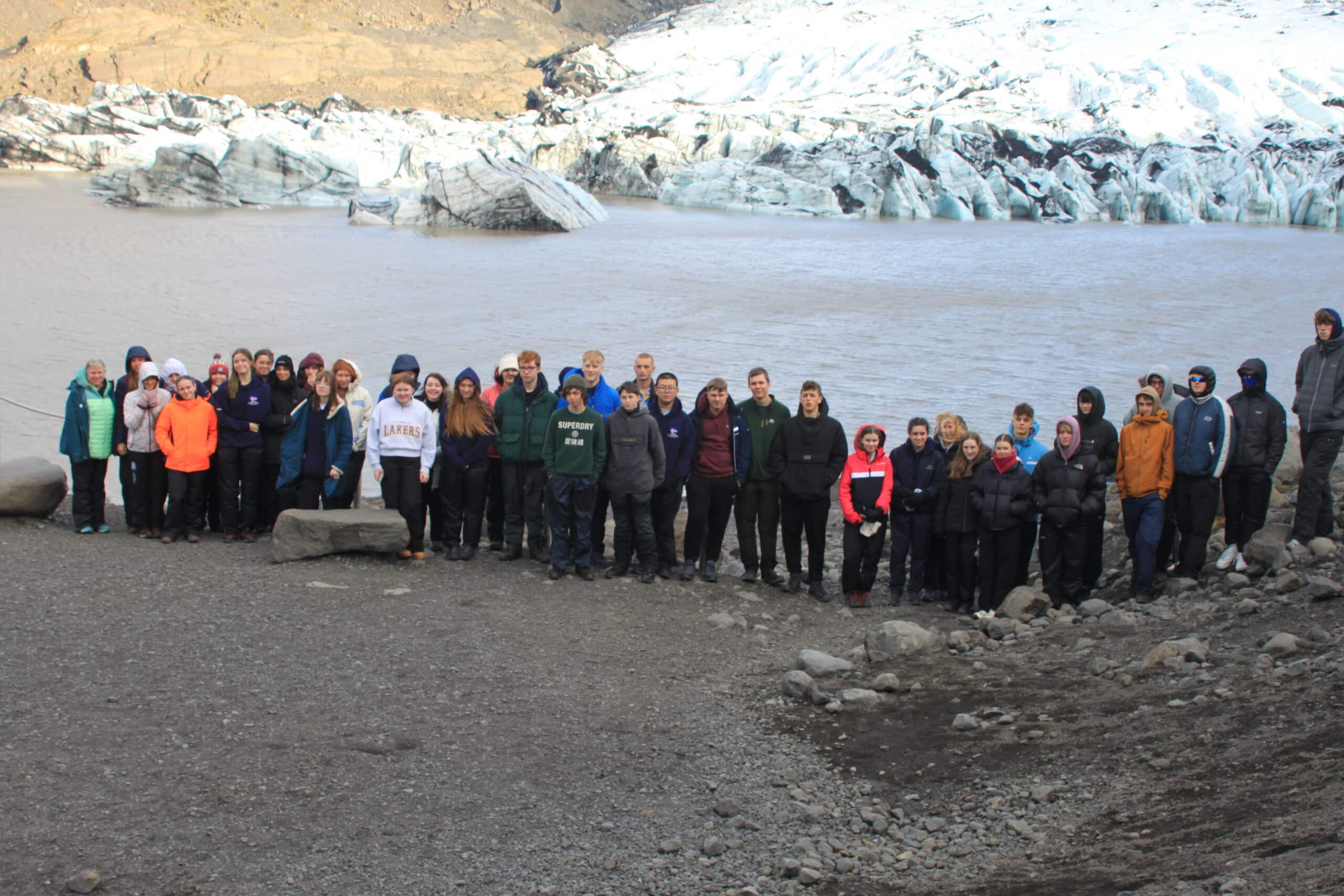
Geography Staff

  • Dr G. Hull B.Sc. Ph.D. P.G.C.E.
  • Ms P. Murphy B.A. P.G.C.E.
  • Mrs R. Smith M.A. P.G.C.E. M.Ed. P.G.D.H (Curriculum Leader)

At Key Stage 3 all pupils will be provided with a notebook, workbook and textbook and they will study the following topics:

Year 8: Map Skills, British Isles and the United Kingdom, Rivers and Africa.

Year 9: Weather, Global Warming, Population, Coasts and Urbanisation.

Year 10: Tectonics, Rocks and Soil, Living off the Earth’s Resources, International Development and Earning a Living.

Pupils will join their class Google Classroom which will be a source of information throughout the year as well as providing revision lists for assessment.

Throughout Key Stage 3 pupils will develop key geographical skills, including mapping and graphing, and group activities will promote the development of valuable teamwork skills.

We follow the CCEA GCSE course, which is composed of both Physical and Human elements of Geography.

Unit 1 is entitled “Understanding Our Natural World” and the topics studied and assessed in Year 11 will be:

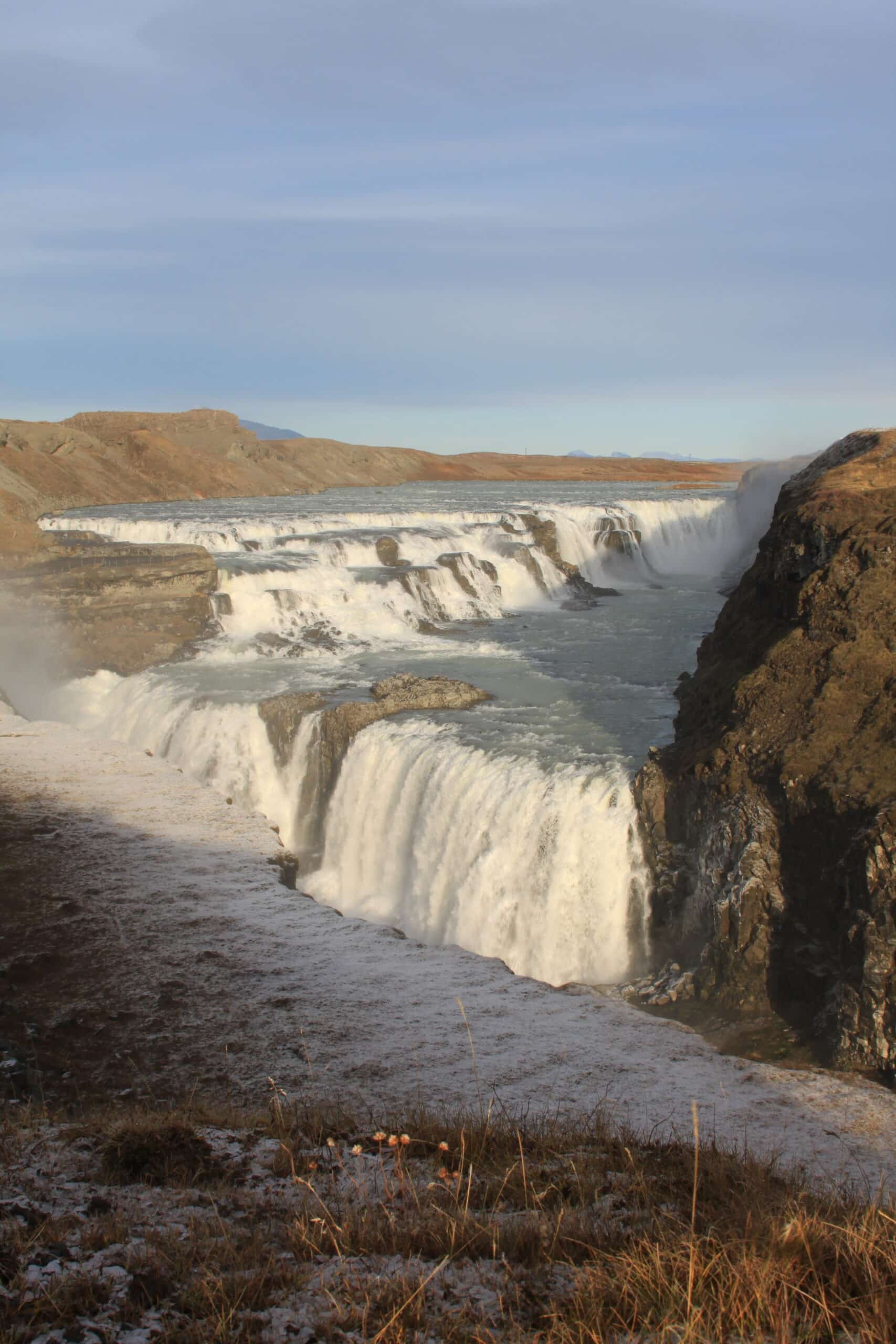
  • Theme A. River Environments
  • Theme B. Coastal Environments
  • Theme C. Our Changing Weather and Climate
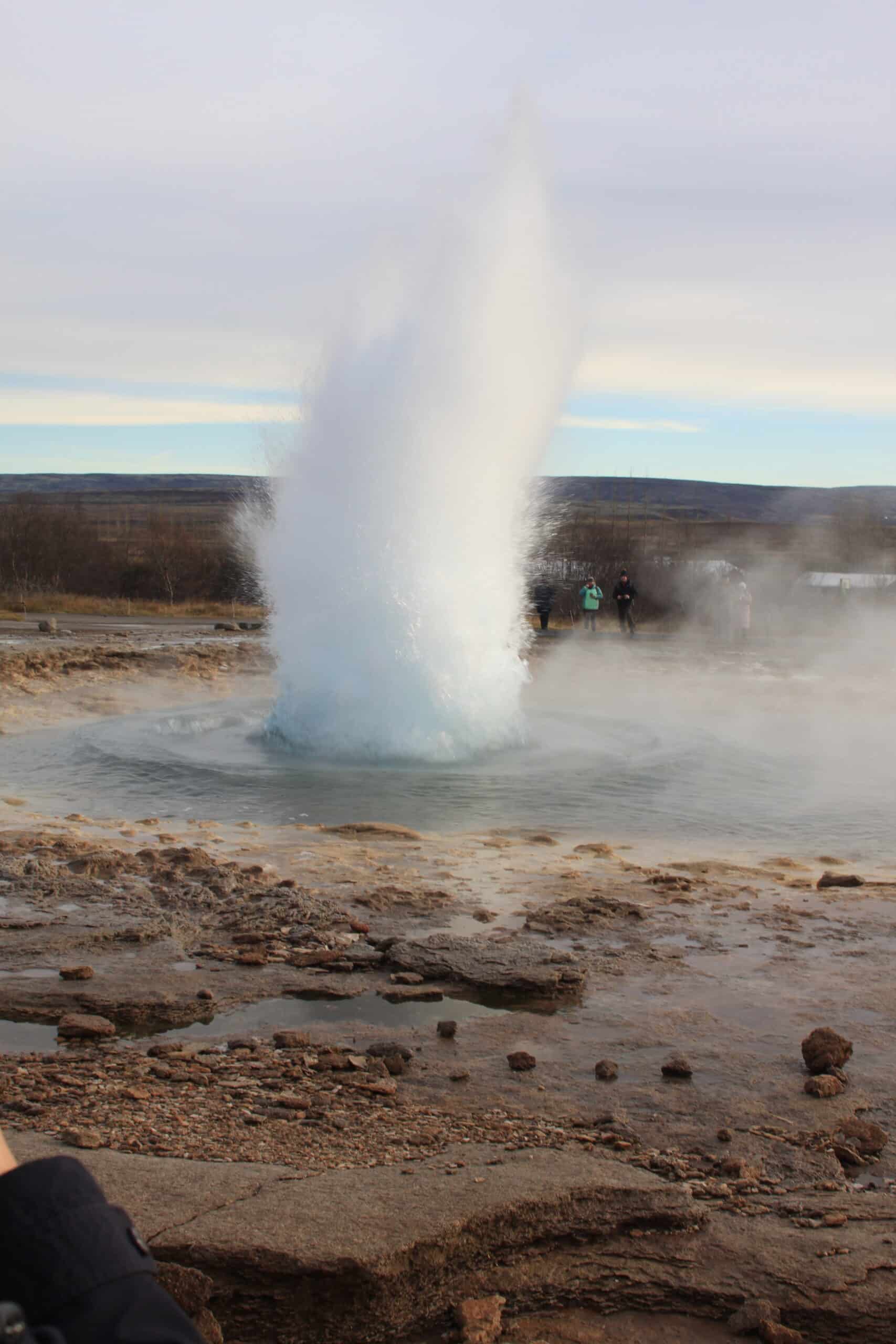
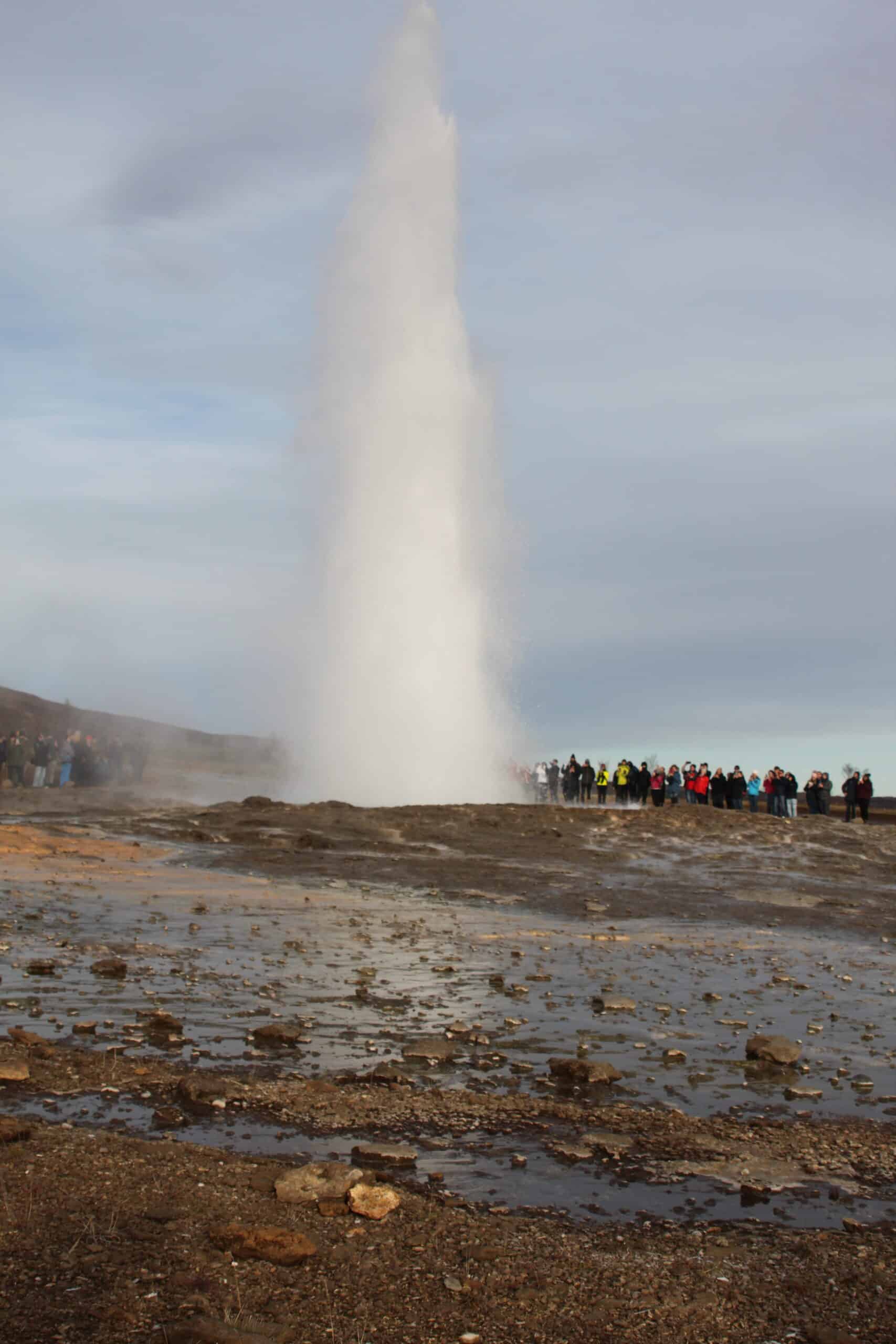
  • Theme D. The Restless Earth

Unit 2 is entitled “Living in Our World” and the topics studied in Year 12 will include:

  • Theme A. Population and Migration
  • Theme B. Changing Urban Areas
  • Theme C. Contrasts in World Development
  • Theme D. Managing our Environment

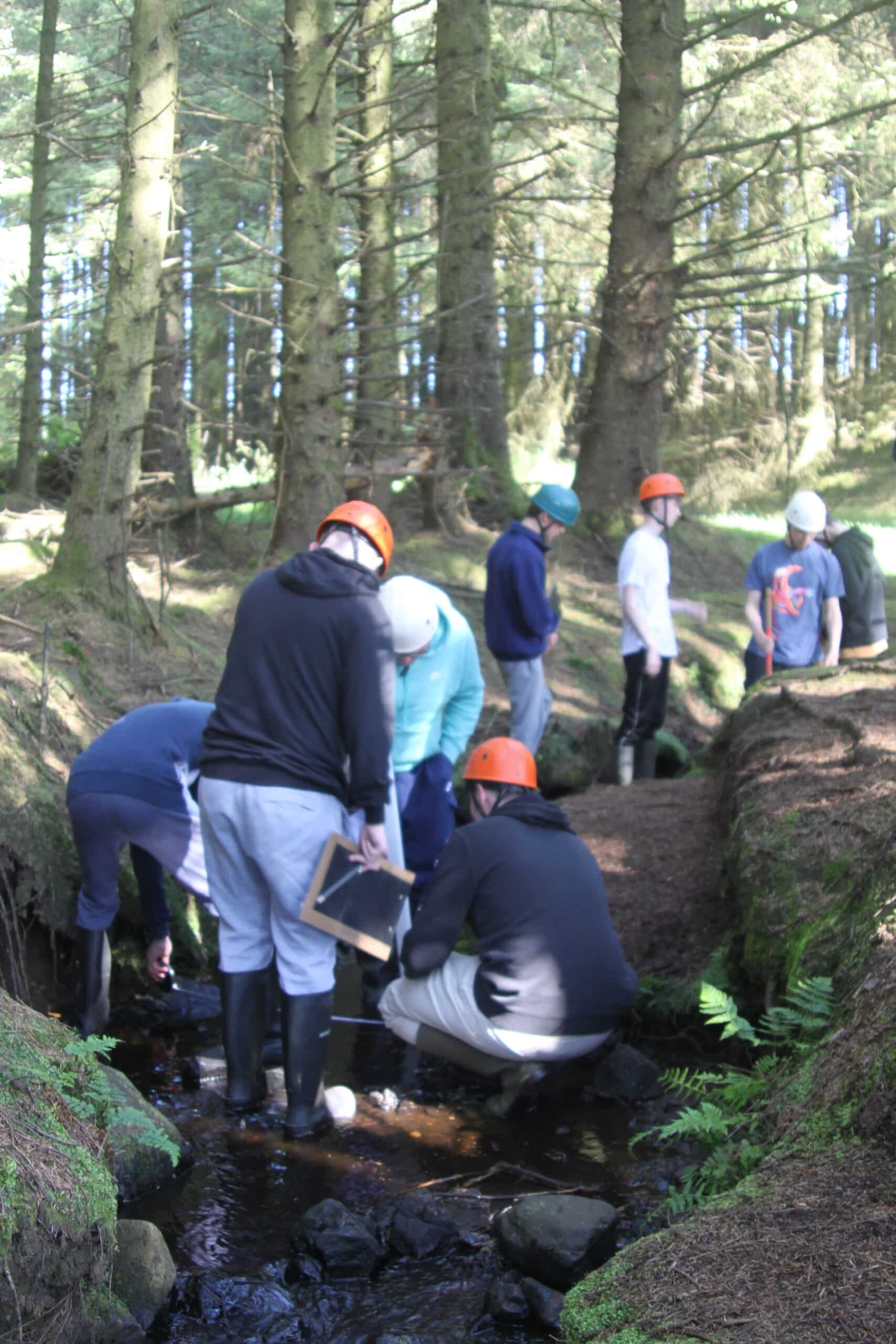
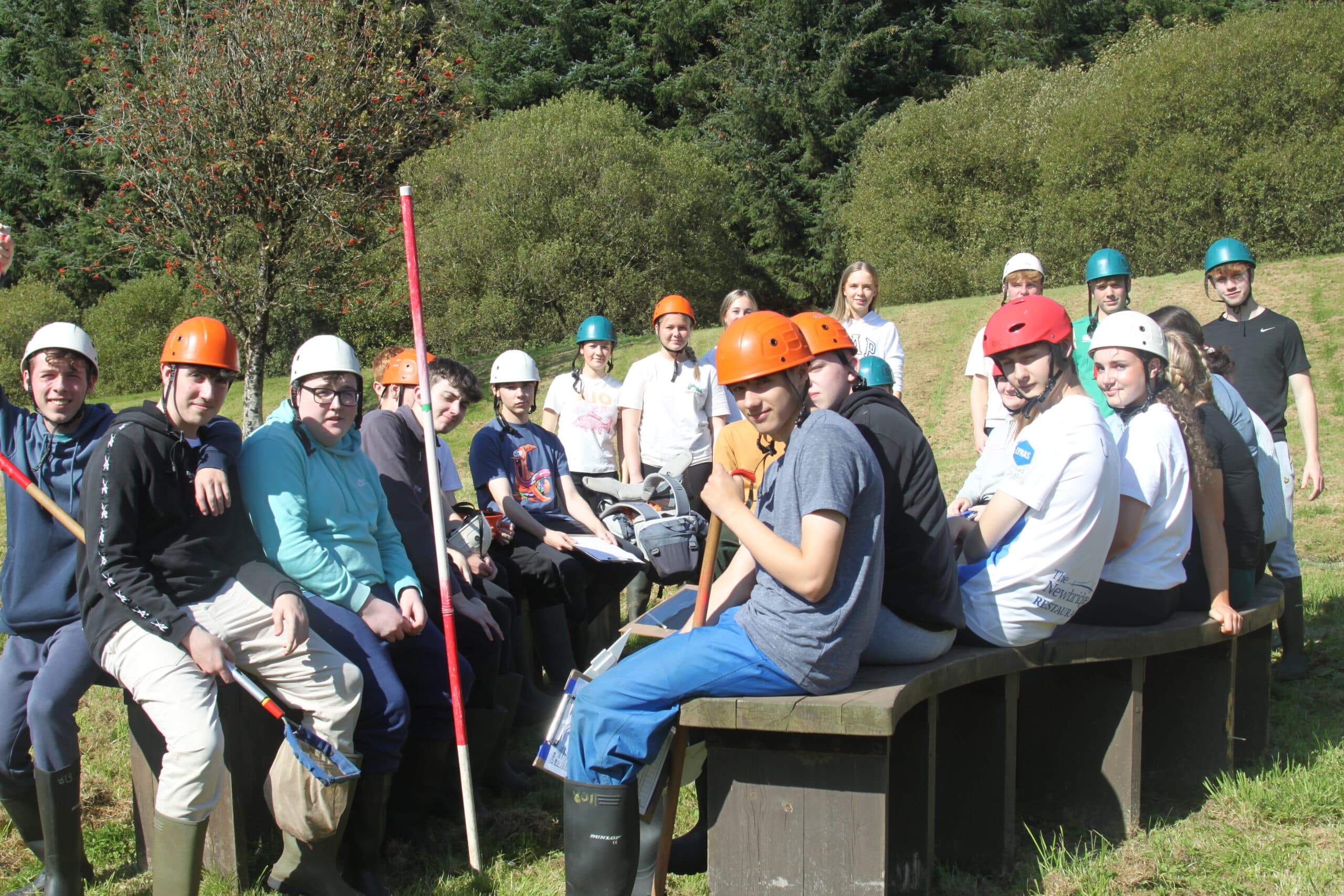
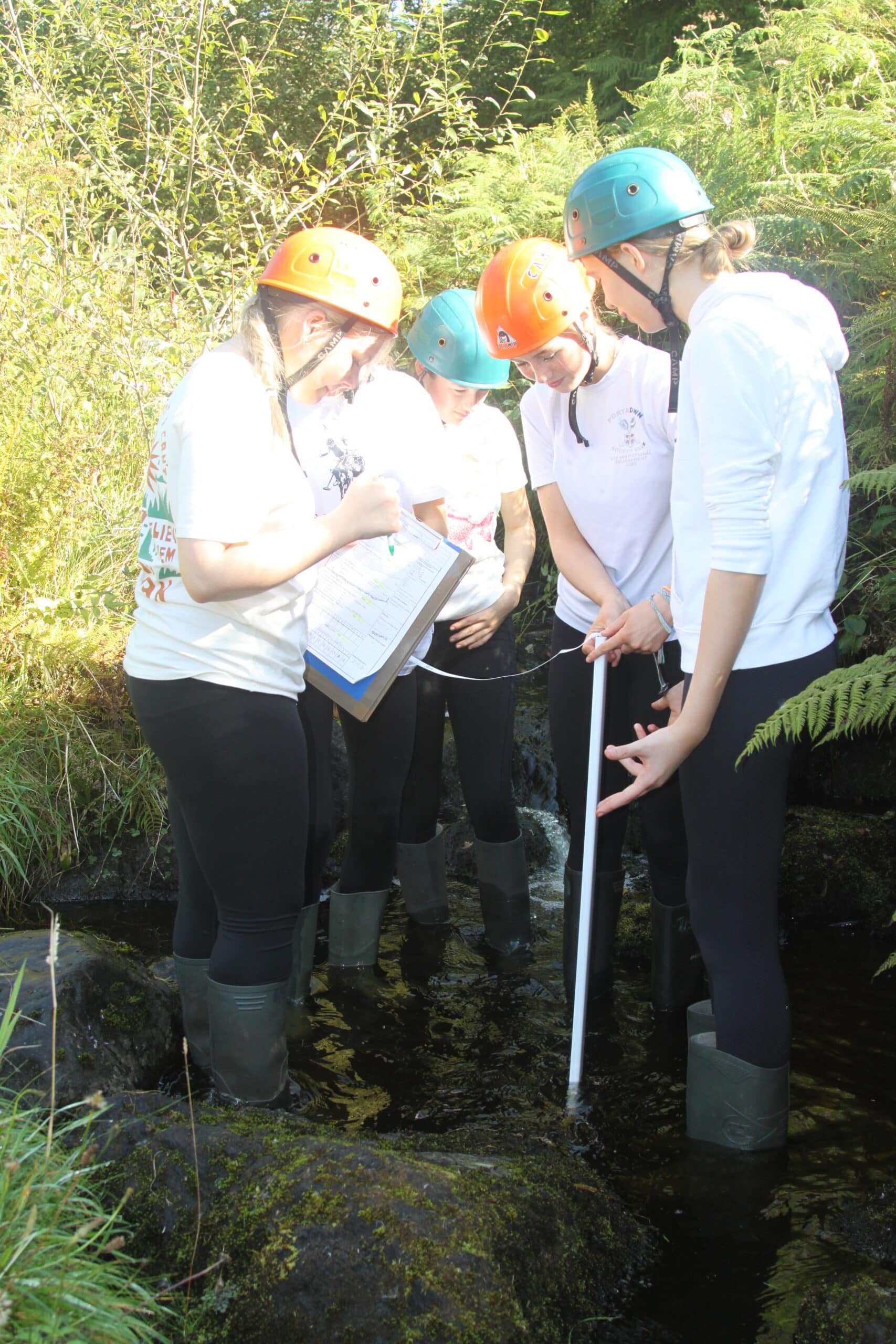
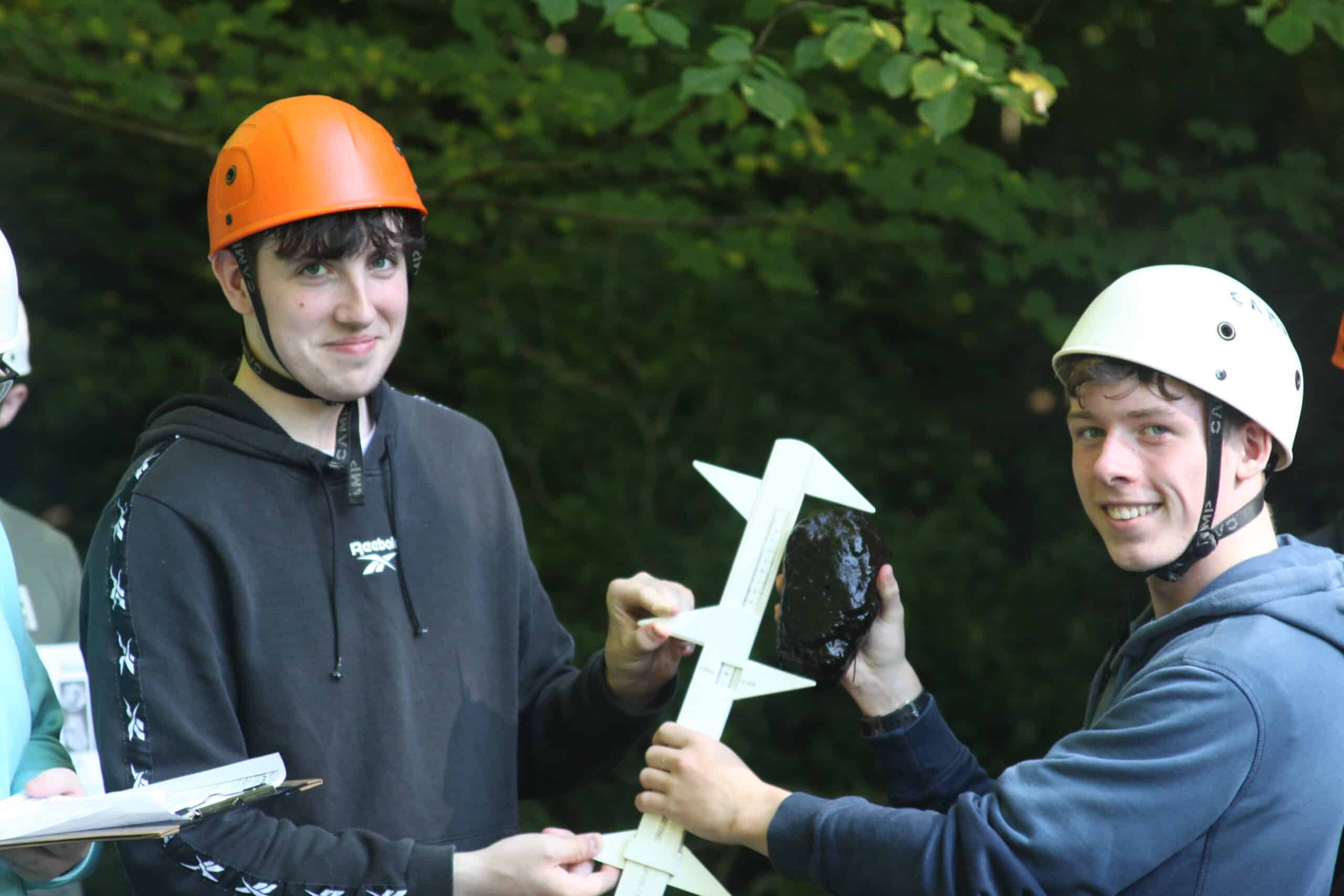
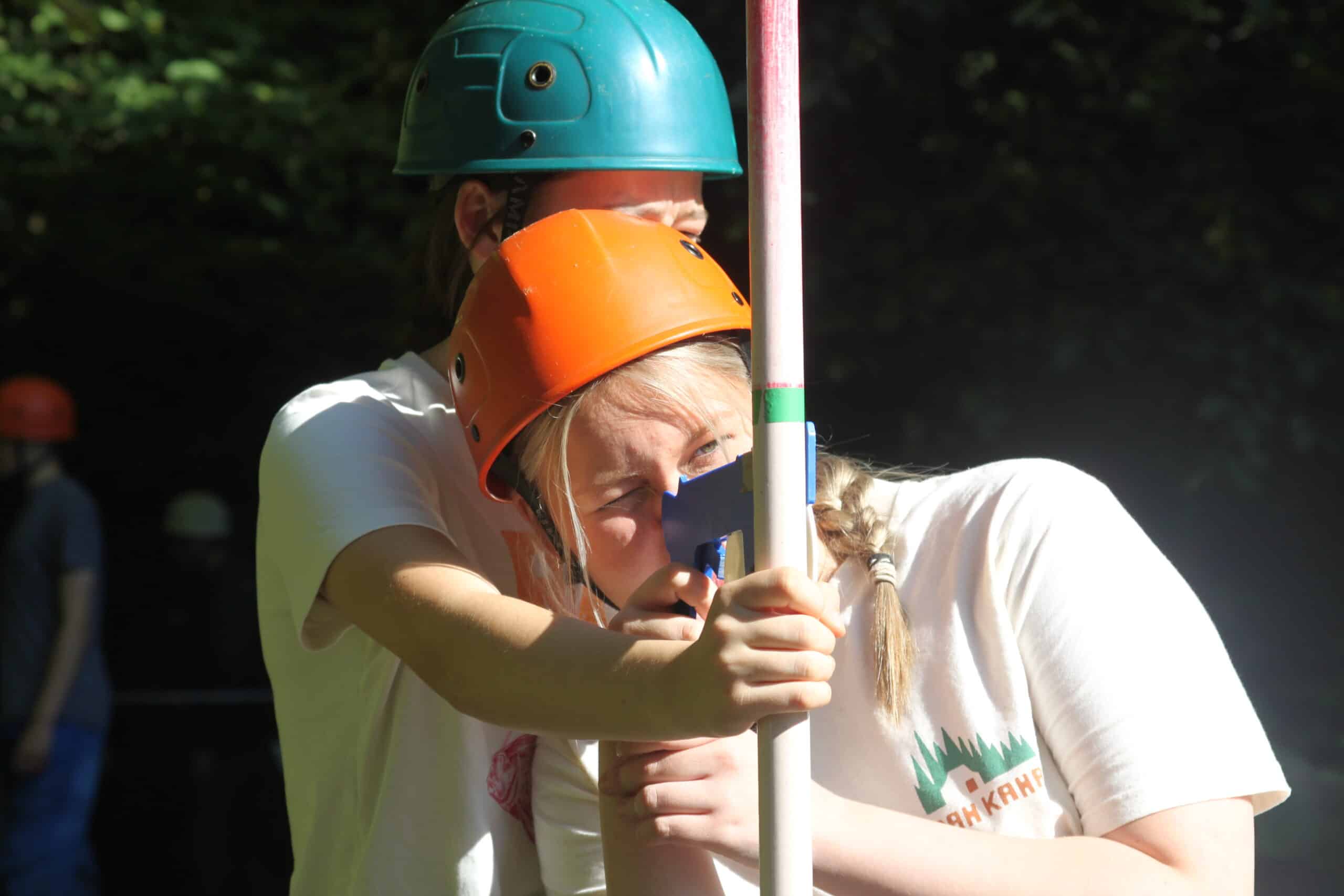
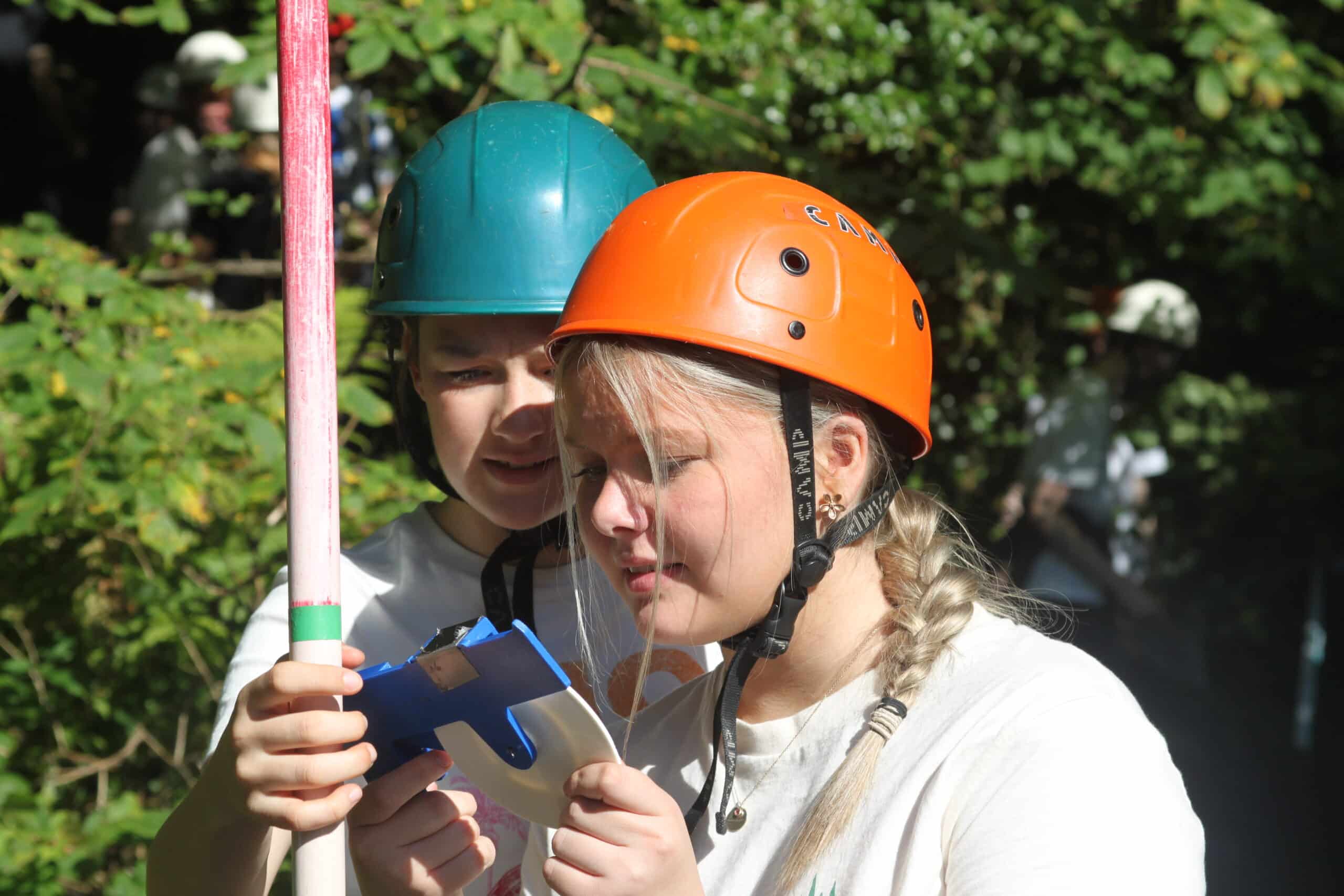
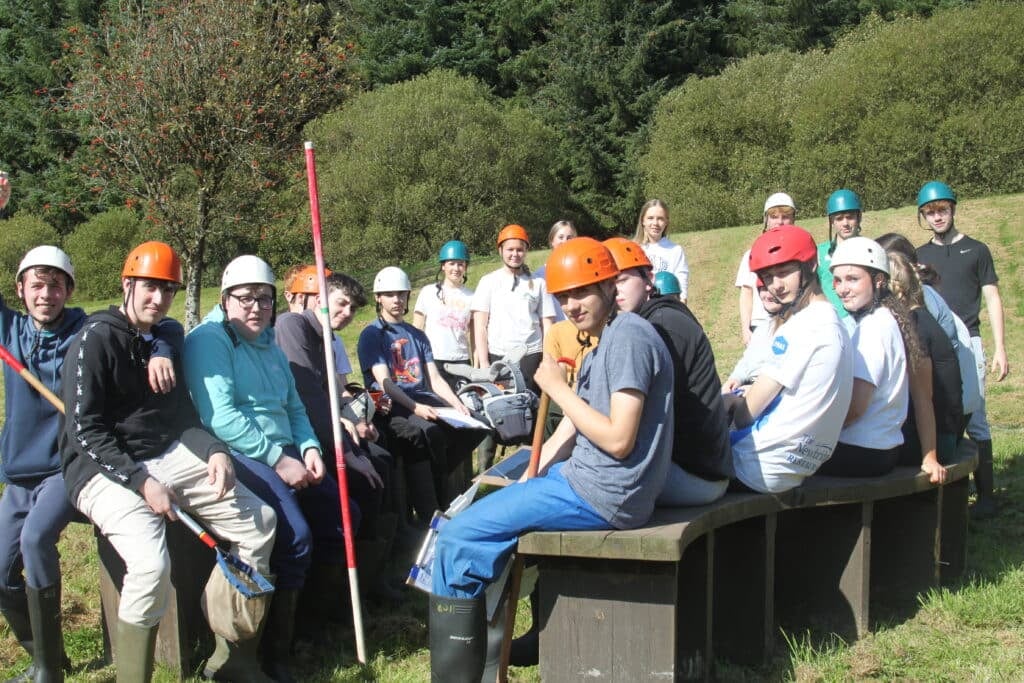
Unit 3 “Fieldwork” will involve bringing a table of fieldwork data collected from a field study, such as a river study, into an examination and pupils will be asked questions about their results. Pupils will complete their Fieldwork in Year 11 and this unit will be assessed at the end of Year 12.

The CCEA  A S/A2 course is followed, which builds upon the skills developed at GCSE. At both AS and A2 there will be both physical and human components of Geography studied.

AS

In AS 1 pupils study human interaction in fluvial environments, plant succession, human impact on ecosystems, weather and climate, including global weather issues like El Niño and hurricanes.

In AS 2 pupils study aspects of natural population change, including the need for fertility policies; planning in rural areas and the challenges posed in urban areas both in MEDCs and LEDCs, as well as appreciating how emerging markets have been changing LEDCs in recent times.

AS 3 gives pupils the opportunity to participate in primary data collection relevant to a chosen geographical issue or question. There will be no fieldwork report, but pupils will utilise the data collected from fieldwork in a written examination.

In AS3 you will also test the skills pupils have acquired through their study of Geography in the second part of the examination paper. This may include graphing skills, mapping skill, statistical skills and analysis of data presented in the paper.


At A2 level the subject content addresses current local and global issues and helps pupils make sense of the world they live in. Pupils will study 2 options from both A2 1 and A2 2.

A2 1

Plate Tectonics- Theory and Outcomes: pupils will understand where, how and why seismic and volcanic events occur and discuss the extent to which they can be predicted and prepared for.

Dynamic Coastal Environments: pupils will understand how both current and relict landforms have been created over time and how the impact of climate change is threatening coastal regions and low-lying islands around the world.

A2 2

Planning for Sustainable Settlements: pupils will understand the strategies planners use to create settlements which are sustainable in terms of social, economic and environmental concerns.

Tourism: pupils will understand how tourism has developed globally over time, consider the economic, social and environmental impacts of mass tourism, and the drive towards more sustainable and eco-friendly tourism.

A2 3

In the final examination pupils will have the opportunity to review a proposed development in a decision-making exercise. This is an unseen paper, based on a real-life development, and pupils will adopt a role and write a report regarding whether or not the proposed planning issue should proceed.

Valuable skills are developed in this aspect of the course. Pupils will learn how to extract relevant information, manipulate it appropriately and write a detailed report based on evidence. This is an important skill which is valued by many universities and employers.